 How-to
Does Coconut Oil Clog Pores for Acne? What Skin Types Need to Know
Last Updated: November 21, 2026
Quick Summary
Coconut oil clog pores for many people with acne-prone skin because it is highly comedogenic, sitting at a rating of 4 on the comedogenic scale. It can trap sebum and dead skin and trigger breakouts, while dry or sensitive skin often reacts differently.
- Coconut oil has a comedogenic rating of 4, best suited to dry body skin.
- Hemp seed oil rates 0 and squalane rates 0-1, making them better for oily, acne-prone skin.
- Patch test on your inner forearm or behind your ear for 24 hours before facial use.
- Repeat the patch test on a small jawline area for another 24 hours if no reaction appears.
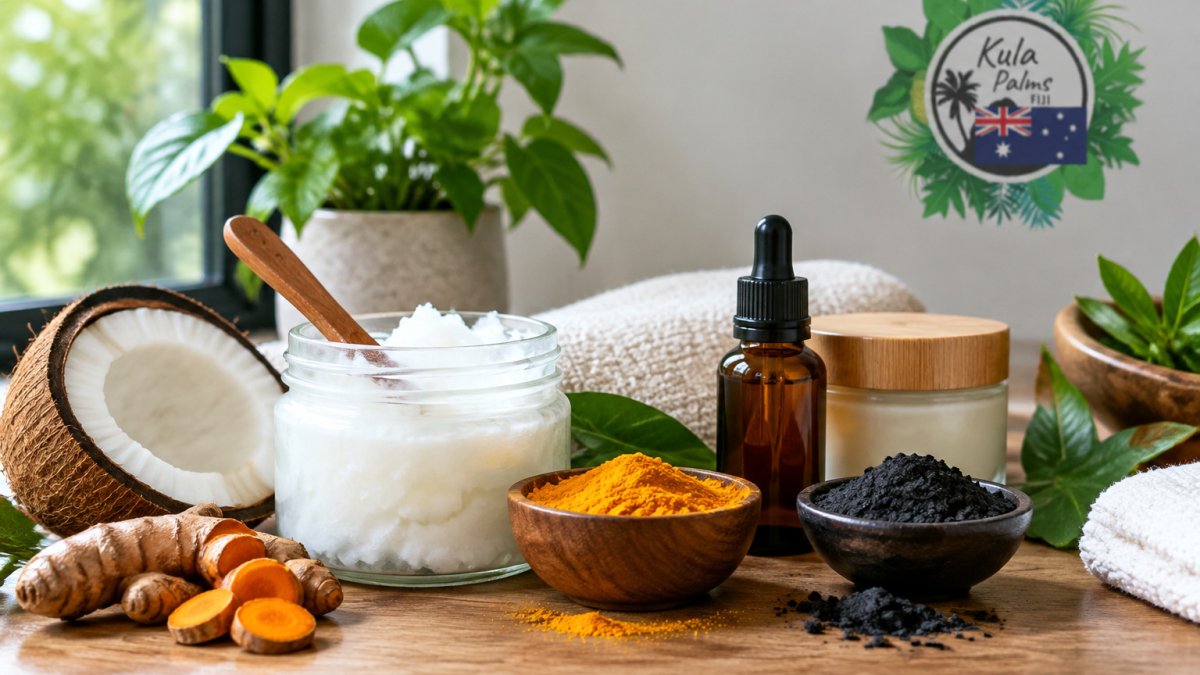
- A coconut-based bar with turmeric and charcoal beats raw oil alone for acne-prone skin.
Table of Contents
- Does Coconut Oil Clog Pores for Acne?
- The Coconut Oil Comedogenic Rating and What It Really Means
- How to Patch Test Facial Oil Before Applying It to Your Face
- Frequently Asked Questions
Does Coconut Oil Clog Pores for Acne?
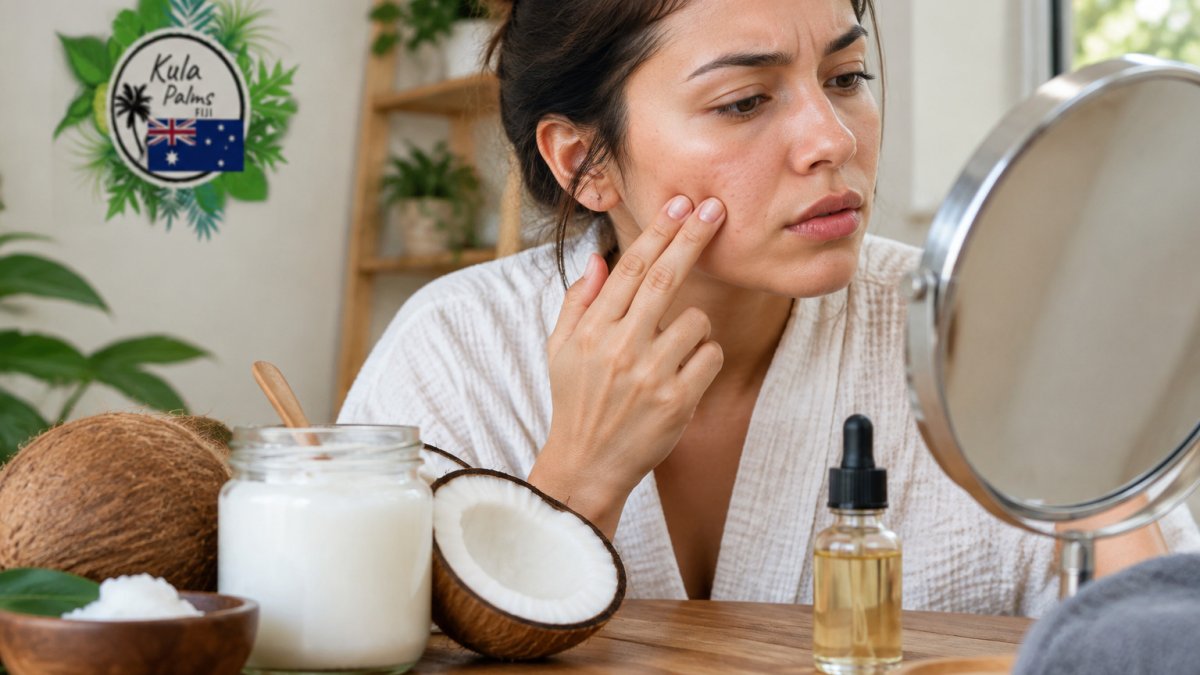
Coconut oil is highly comedogenic, so it can clog pores for many people with acne-prone skin. At Kula Palms, we get asked this constantly because our soaps use a pure virgin coconut oil base. Whether coconut oil clog pores depends on your skin type, formulation, and use.
Coconut oil sits high on the comedogenic scale: for oily and acne-prone skin it can trap sebum and dead skin, triggering breakouts, while dry or sensitive skin often reacts differently.
Below, we explain the comedogenic rating, how to patch test safely, and which coconut oil alternatives suit congested skin. Readers weighing coconut oil against other options can also learn whether plant-based acne treatments really work for adults. If you are worried about coconut oil on acne-prone skin, our guide on how to buy organic coconut oil for skincare can help you choose the right one.
The Coconut Oil Comedogenic Rating and What It Really Means
Here is how common facial oils compare:
| Oil | Comedogenic Rating | Best For |
|---|---|---|
| Coconut oil | 4 | Dry body skin |
| Cocoa butter | 4 | Very dry patches |
| Wheat germ oil | 5 | Body only |
| Olive oil | 2 | Dry, non-acne skin |
| Jojoba oil | 2 | Most skin types |
| Sunflower oil | 2 | Acne-prone skin |
| Hemp seed oil | 0 | Oily, acne-prone skin |
| Squalane | 0-1 | All skin types |
Comedogenic Rating
For acne-prone readers, a coconut-based bar with turmeric and charcoal beats raw oil alone. Our charcoal and turmeric coconut soap bar pairs a virgin coconut oil base with ingredients chosen for congested skin.
If you want to understand what activated charcoal can and cannot do for pores, read our guide on why activated charcoal works for skin.
How to Patch Test Facial Oil Before Applying It to Your Face
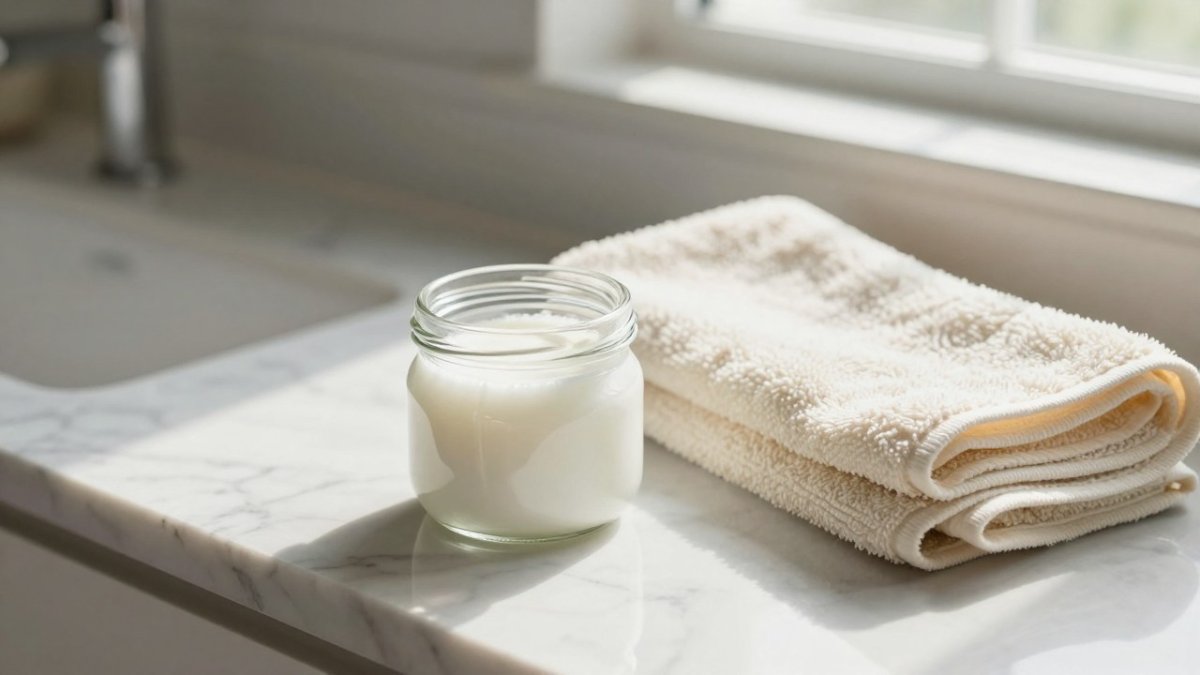
A patch test is a sensible way to check how a facial oil suits your skin.
Here is the protocol we recommend:
- Wash and dry your inner forearm or behind your ear.
- Apply a small drop to a coin-sized area and leave it uncovered for 24 hours.
- Check for redness, itching, or swelling; if clear, repeat on a small jawline patch for another 24 hours.
- Stop at any sign of irritation and wash with cool water.
If your skin is reactive, our guide to the best gentle face oils for sensitive skin covers safe layering and application in more detail.
The woman is Australian.
Coconut oil is not the villain, and it is not a cure-all. It suits dry skin and body use well, but acne-prone faces usually do better with lighter, non-comedogenic oils. Patch test everything, and let your own skin give the verdict.
If you want a coconut-based option built for congested, blemish-prone skin, our small-batch soaps combine virgin coconut oil with raw turmeric and activated charcoal. Get started with Kula Palms and give your skin a gentler, plant-based routine.
Frequently Asked Questions
Does coconut oil clog pores?
Coconut oil has a high comedogenic rating, usually listed as 4 out of 5, which means it is likely to clog pores for many people. Its lauric acid content gives it a heavier feel on facial skin, and oil molecules sit on the surface rather than absorbing quickly. That said, ratings are general guides, not guarantees. Some people with dry or resilient skin use it without new breakouts, while others with oily or acne-prone skin see blackheads and whiteheads within days.
Can coconut oil cause acne or make breakouts worse?
Some people find that coconut oil does not suit acne-prone skin. If you notice new blemishes, irritation or congestion after use, stop applying it. A patch test on a small area of skin is a sensible way to check how your skin reacts.
What oils are less likely to clog pores?
Some people with acne-prone skin look for lighter facial oils. If you want to keep coconut oil in your routine, check how a formulation feels on your skin before using it on your face.