 Ultimate guide
How to Buy Organic Coconut Oil for Skincare
Last Updated: November 19, 2026
Quick Summary
To buy organic coconut oil skincare in Australia, check extraction first: cold-pressed and extra virgin signal minimal processing, while refined oil loses most therapeutic compounds. Look for certified organic, non-GMO oil with the botanical name Cocos nucifera on the label, and patch test because its comedogenic rating of about 4 can congest acne-prone skin.
- Virgin coconut oil is unrefined oil pressed from fresh coconut meat, rich in lauric acid and vitamin E.
- Coconut oil is an emollient that suits the body and dry patches but feels heavy on oily faces.
- Organic is not legally protected on Australian skincare labels; third-party certification carries the weight.
- Ask who certified the product, what percentage of ingredients is organic, and whether the rest is disclosed.
- Neat coconut oil on a congestion-prone face can worsen things before they improve.
Table of Contents
- Benefits of Virgin Coconut Oil for Skin and What to Check Before You Buy
- Coconut Oil vs Turmeric for Acne: Which One to Choose
- Organic Skincare Certification in Australia: What the Label Actually Means
- Frequently Asked Questions
Benefits of Virgin Coconut Oil for Skin and What to Check Before You Buy
Virgin coconut oil is unrefined oil pressed from fresh coconut meat, rich in barrier-supporting fatty acids, lauric acid, and vitamin E, and knowing how to buy organic coconut oil skincare in Australia starts with reading the label. To buy organic coconut oil skincare in Australia, check extraction first: cold-pressed and extra virgin signal minimal processing, while refined oil loses most therapeutic compounds.
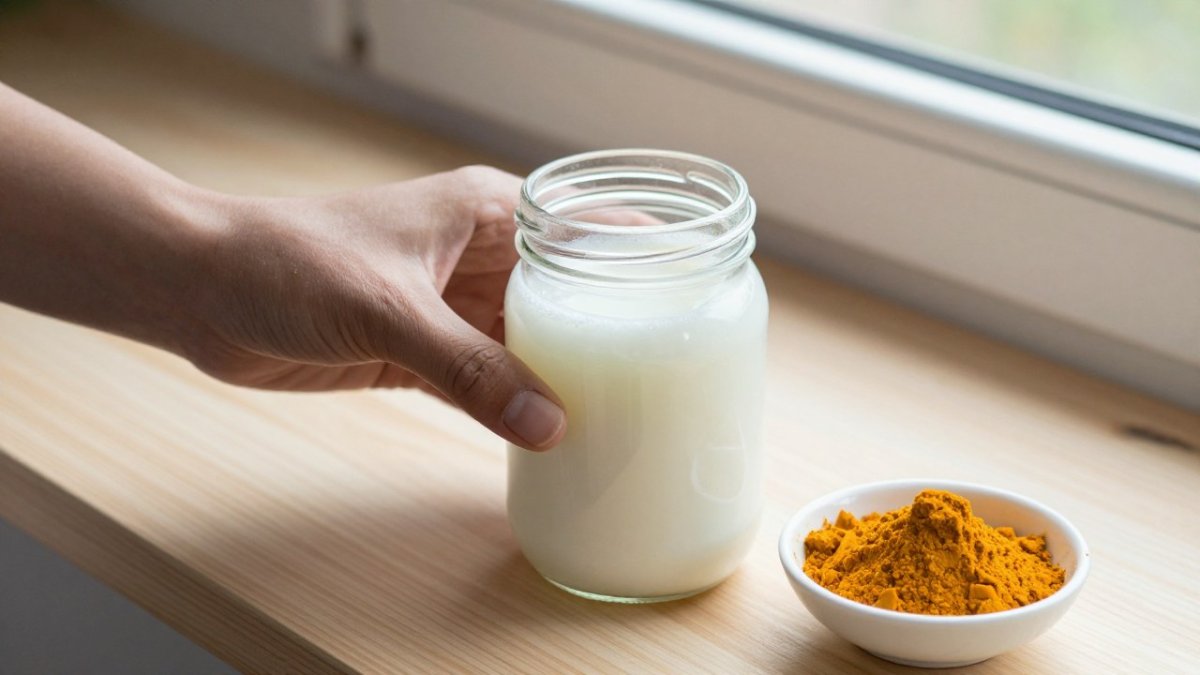
Coconut oil is an emollient that seals water in, suiting the body and dry patches but feeling heavy on oily faces; its comedogenic rating of about 4 means it can congest acne-prone skin, so patch test. Our virgin coconut oil 200ml organic skincare is cold-pressed and unrefined. Look for certified organic, non-GMO, and the named botanical Cocos nucifera.
Here are the label and formulation checks the article recommends before you buy.
| Check | What to look for | Why it matters |
|---|---|---|
| Extraction | Cold-pressed and extra virgin | Signals minimal processing |
| Refined oil | Avoid if you want therapeutic compounds | Refining loses most therapeutic compounds |
| Certification | Certified organic and non-GMO | Supports organic claims |
| Botanical name | Cocos nucifera named on label | Confirms the ingredient |
| Comedogenic rating | About 4 | Can congest acne-prone skin, so patch test |
| Best use | Body and dry patches | Feels heavy on oily faces |
Coconut Oil vs Turmeric for Acne: Which One to Choose
Coconut oil is the base, conditioning and supporting the skin barrier; turmeric is the active, with curcumin's anti-inflammatory and antimicrobial properties calming breakouts.
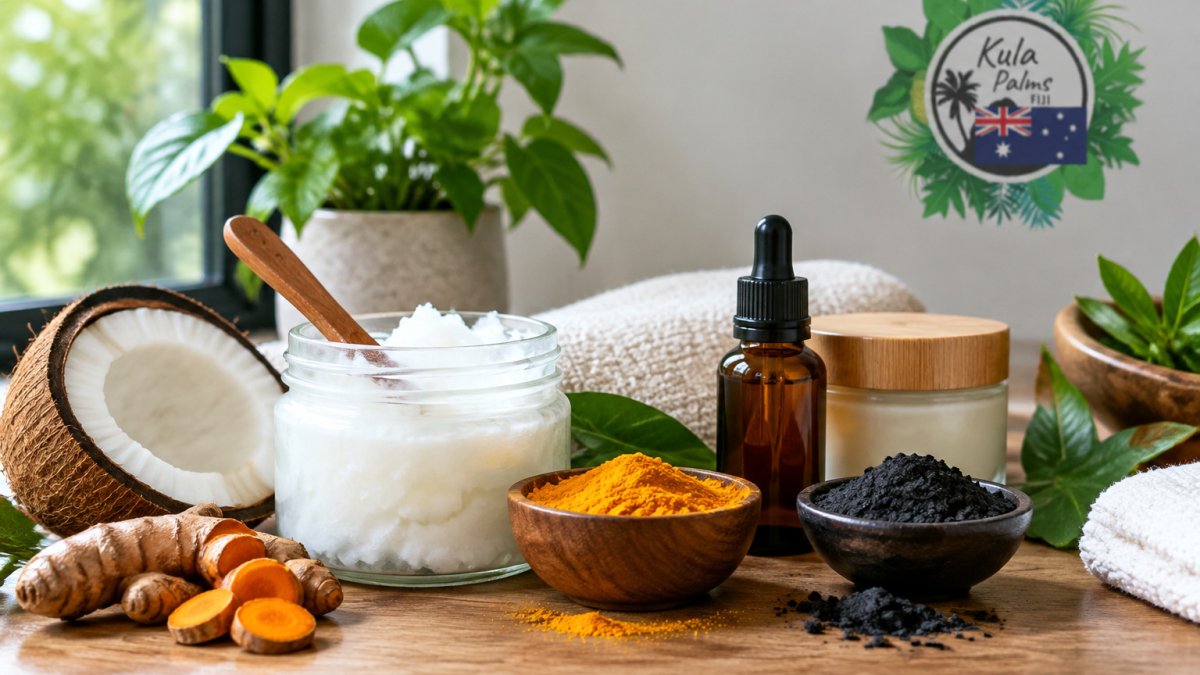
Turmeric can stain skin and clothing yellow, especially raw powder. Read our guide on whether turmeric stains skin permanently. Our charcoal and turmeric acne bar pairs both with activated charcoal, and our turmeric and dilo soap bar leans on dilo's soothing reputation. Watch out: neat coconut oil on a congestion-prone face can worsen things before they improve.
Organic Skincare Certification in Australia: What the Label Actually Means
"Organic" is not legally protected on Australian skincare labels. What carries weight is third-party certification against a recognised standard, with the certifier's logo and licence number on pack; without those, "organic" is marketing, not a guarantee.
Ask who certified it, what percentage of ingredients is organic, and whether the rest is disclosed. Small-batch makers often cannot afford certification, so you are trusting the maker; read more about who makes our products to check sourcing.
The Australian Competition and Consumer Commission takes misleading "organic" and "natural" claims seriously, so a brand that is vague about certification is telling you something. ACCC guidance on green marketing claims is worth a read before you spend up.
For the regulatory backdrop on what can and cannot be claimed for a skincare product, the Therapeutic Goods Administration's cosmetic claims guidance sets out where cosmetics end and therapeutic goods begin.
Buying organic coconut oil for skincare is mostly a labelling exercise: cold-pressed and unrefined, a named botanical, and a certifier you can verify. Kula Palms makes that simpler with 100% natural, herbal-infused formulas built on a pure virgin coconut oil base, including raw turmeric and activated charcoal options for acne, itching and scar fading. Get started with Kula Palms and build a routine around ingredients you can actually trace.
Frequently Asked Questions
Is organic coconut oil good for your face?
It can be, for the right skin type. Unrefined organic coconut oil is rich in lauric acid and vitamin E, and works as an emollient that supports the skin barrier and reduces water loss. People with dry or normal skin often use it as a cleanser or night moisturiser. If you have oily or acne-prone skin, patch test first, because coconut oil has a comedogenic rating around 4 and can congest pores. Start with a small amount on one area for a week.
What should I look for when buying organic coconut oil for skin?
Check four things on the label: the extraction method (cold-pressed and unrefined keeps more of the fatty acids intact), the ingredient list (it should list only Cocos nucifera oil, with no fragrance or fillers), any certification mark, and the batch or harvest date. A clear harvest date matters more than a long best-before, because fresh oil smells sweeter and absorbs better. Buy in a size you will finish within a few months.
Does coconut oil clog pores?
For some people, yes. Coconut oil sits at roughly 4 on the comedogenic scale, which means it can block pores on oily and combination skin. That does not rule it out for acne-prone skin, but it changes how you use it. Keep it off the T-zone, use it as a short-contact cleanser rather than a leave-on layer, and pair it with a lighter carrier if you react. Patch testing on your jawline for a week tells you more than any rating.