 How-to
Why Use Activated Charcoal for Skin: What It Can and Cannot Do
Last Updated: November 13, 2026
Quick Summary
Activated charcoal works as a surface cleaner that binds excess oil, dirt and dead skin cells on top of the skin, giving a temporary mattifying effect and a purifying cleanse. It does not treat acne at the source, fade scars or even out skin tone, so treat detox claims as marketing language.
- Massage a charcoal cleanser over your face for 30 to 60 seconds, then rinse well and pat dry.
- Use a charcoal cleanser two to three times a week in the evening if your skin is oily.
- Keep DIY charcoal masks on for no more than 10 minutes and patch test on your inner arm first.
- Charcoal is drying, so overuse can strip the skin and trigger more oil production.
- Charcoal can stain light towels and clothing, so rinse thoroughly and use an old towel.
Table of Contents
- What Activated Charcoal Actually Does on Skin
- Activated Charcoal Benefits for Skin: Oil, Shine and Pores
- How to Use Activated Charcoal on Face Without Irritation
- Choosing an Activated Charcoal Face Mask
- Activated Charcoal Skincare Side Effects and Who Should Skip It
- Where Charcoal Stops and Other Ingredients Do More
- Frequently Asked Questions
What Activated Charcoal Actually Does on Skin
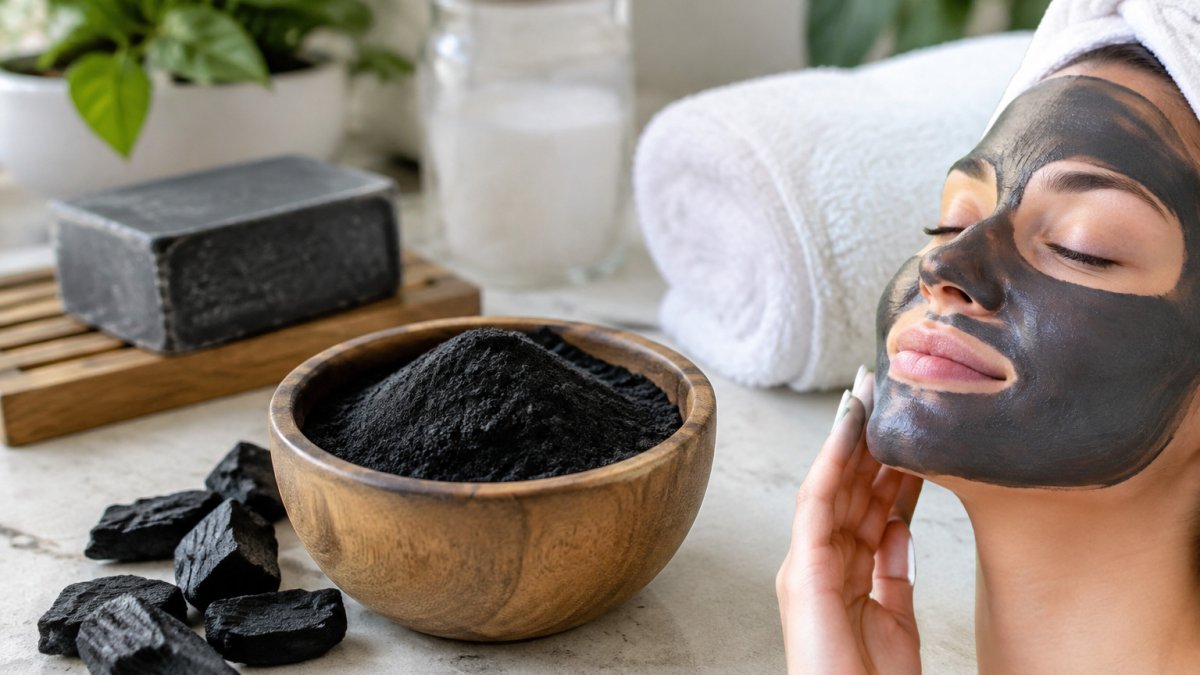
Activated charcoal is a fine black powder made by heating carbon-rich material to very high temperatures, creating a porous structure. This guide explains why use activated charcoal for skin, and just as importantly, where its powers stop.
Here is the honest version: charcoal is a surface cleaner, not a deep treatment. It grabs what sits on top of your skin. It does not fix what happens underneath.
How It Differs From Regular Charcoal
Regular charcoal, the kind in a barbecue, is mostly ash and burns hot. Activated charcoal has been treated to make it far more porous. That extra surface area is what lets it pull material toward it.
The key word is adsorption. Charcoal binds substances to its surface rather than soaking them up like a sponge. That distinction matters when you read skincare claims.
Activated Charcoal Benefits for Skin: Oil, Shine and Pores
The strongest case for charcoal is oil control. If your skin gets shiny by lunchtime, a charcoal wash can lift that surface sebum and leave a cleaner finish.
Here is what it can realistically do:
- Absorb excess oil on the surface for a temporary mattifying effect
- Help clear dirt and dead skin cells from the look of clogged pores
- Support a purifying cleanse without harsh scrubbing
- Leave skin feeling cleaner and looking less dull
Charcoal may suit people with oily skin and acne-prone skin who want a surface cleanse. But the effect is short-lived.
Watch out: charcoal is not a detoxifying cure. Treat "detox" as marketing language rather than a medical claim.
How to Use Activated Charcoal on Face Without Irritation
Keep it simple and gentle. Charcoal is drying, so the goal is a short, mild cleanse rather than a long soak.
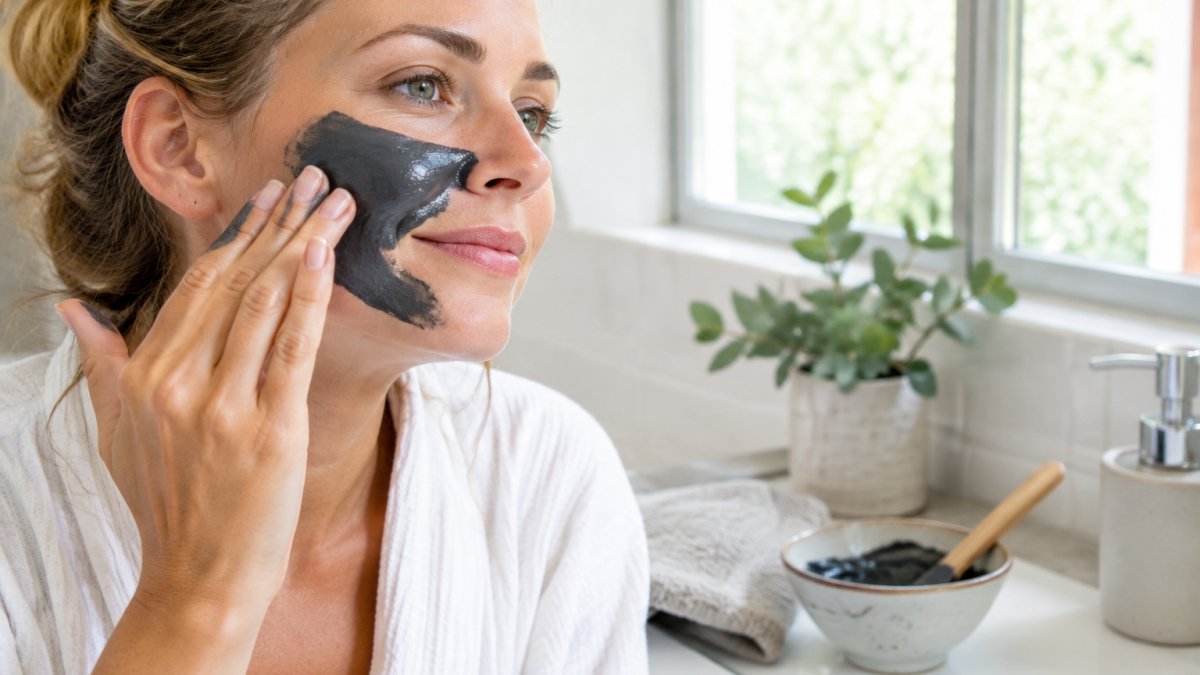
Follow these steps:
- Wet your face with lukewarm water
- Lather a small amount of charcoal cleanser in your hands
- Massage it over your face for 30 to 60 seconds
- Rinse well and pat dry
- Apply a light moisturiser straight after
Always do a patch test on your inner arm first. If you make a DIY mask, mix charcoal powder with water or a plain clay, and leave it on for no more than 10 minutes.
Where Charcoal Fits in Your Routine
Charcoal works best as a step you rotate in, not a daily staple. A common pattern is to use it in the evening after a gentle cleanser, then follow with a hydrating toner and moisturiser. In the morning, skip charcoal and use a mild cleanser so you do not strip the skin before sunscreen.
If you use actives such as salicylic acid, niacinamide or retinoids, keep charcoal on separate days or at least separate from the active step. Charcoal can leave the skin feeling tight, and layering it with drying actives raises the chance of irritation.
A Simple Routine by Skin Type
- Oily skin: use a charcoal cleanser two to three times a week, and only in the evening. On other nights, use a gentle gel cleanser.
- Combination skin: use it on the oily zones only, such as the nose, chin and forehead, and keep it away from dry cheeks.
- Dry skin: once a week at most, followed by a rich moisturiser or facial oil. If your skin feels tight after rinsing, reduce to once a fortnight.
- Sensitive skin: patch test, then start once a week. Stop if you notice redness, stinging or flaking.
- Acne-prone skin: two to three times a week is usually enough. Charcoal is not a substitute for a medical acne treatment.
A common mistake is using charcoal every day. That strips the skin and can trigger more oil production. Less is genuinely more here.
Watch out: if your skin feels tight, looks shiny in a tight way, or stings when you apply moisturiser, you are overusing it. Cut back to once a week or pause entirely until the skin settles.
Here is how often to use charcoal by skin type, plus the timing rules that keep it from stripping your skin.
| Skin type | Frequency | Note |
|---|---|---|
| Oily skin | Two to three times a week, evening only | Gentle gel cleanser on other nights |
| Combination skin | On oily zones only | Nose, chin and forehead; avoid dry cheeks |
| Dry skin | Once a week at most | Rich moisturiser or facial oil after |
| Sensitive skin | Start once a week after patch test | Stop if redness, stinging or flaking |
| Acne-prone skin | Two to three times a week | Not a substitute for medical acne treatment |
| DIY mask | No more than 10 minutes | Mix charcoal powder with water or plain clay |
| Massage time | 30 to 60 seconds | Rinse well and pat dry |
Choosing an Activated Charcoal Face Mask
Read the label before you buy. A good charcoal product lists charcoal near the top and keeps the ingredient list short. Avoid heavy fragrances and drying alcohols if your skin is sensitive.
For a ready-made option, try our activated charcoal coconut soap or the coconut swirl charcoal soap if you want a gentler everyday bar. Both use a pure virgin coconut oil base and real charcoal, with no synthetic fillers.
When comparing charcoal mask products, check:
- The type of charcoal, such as binchotan charcoal
- Whether it is a rinse-off wash or a leave-on mask
- The base oils, since these decide how drying it feels
Activated Charcoal Skincare Side Effects and Who Should Skip It
Charcoal is not suitable for everyone. The main risks are dryness, tightness and skin irritation, especially with daily use. Charcoal binds oil and water on the surface, so overuse can leave the skin barrier feeling stripped.
Skip charcoal, or ask a doctor first, if you:
- Have very dry or sensitive skin
- Are using prescription acne medicines or retinoids
- Have broken, cracked or irritated skin
- Are treating a young child's skin without advice
Signs You Should Stop
Stop using charcoal and let the skin recover if you notice:
- Persistent redness or stinging after rinsing
- Flaking or a rough, tight texture
- New breakouts in areas where you applied it
- Itching that starts within minutes of application
These signs usually settle within a few days of stopping. If they do not, see a pharmacist or doctor.
Oral Charcoal Is a Different Risk
Activated charcoal taken by mouth can bind medications, so it should not be taken with prescription medicines without advice. This risk does not apply to topical charcoal cleansers or masks in the same way, because very little is absorbed through intact skin. Still, do not assume a charcoal mask is risk-free just because it is topical: keep it away from broken skin and eyes.
Ingredient Interactions to Watch
Charcoal is compatible with most skincare ingredients, but it can be drying alongside strong actives. If you use retinoids, benzoyl peroxide or high-strength salicylic acid, alternate days rather than layering. If you use a vitamin C serum in the morning, keep charcoal to the evening so the two do not compete for the same routine step.
If itchy, irritated skin is your main concern, a soothing set like our No More Itch gift pack may suit better than a strong charcoal wash. For acne-prone skin, our charcoal and turmeric acne bar pairs charcoal with turmeric in one bar.
Watch out: charcoal can stain light towels and clothing. Rinse thoroughly and use an old towel.
Where Charcoal Stops and Other Ingredients Do More
Charcoal cleans and mattifies. It does not fade scars, even out tone or treat acne at the source.
For scarring and dullness, ingredients with better evidence, such as turmeric, vitamin C and gentle exfoliants, tend to do more over time. To go deeper on scars, read our guide on how to fade acne scars naturally.
The honest summary: use charcoal for oil control and a fresh, clean feel. Reach for other ingredients for brightening, smooth skin and an even complexion. A charcoal bar earns its place in a routine, but it is one player, not the whole team.
Getting oily skin under control takes the right product, not a harsh one. At Kula Palms, we make small-batch charcoal and turmeric bars on a pure virgin coconut oil base, so you get a gentle cleanse that supports acne-prone skin without stripping it. Our formulations are 100% natural and built around traditional botanical wisdom. If shine and congestion are your daily battle, start with a bar that cleans without the sting. Get started with Kula Palms and give your skin a simpler, kinder routine.
Frequently Asked Questions
What does activated charcoal do for your skin?
Activated charcoal is a porous powder that adsorbs, meaning it binds substances to its surface rather than soaking them up like a sponge. It does not sterilise skin, remove bacteria from inside pores, or pull toxins out of your body. Think of it as a short-contact oil absorber and surface cleanser, not a treatment for acne itself.
Is activated charcoal good for acne-prone skin?
It can help with the oil and shine that often come with acne-prone skin, but it will not clear breakouts on its own. Acne involves blocked follicles, bacteria and inflammation, and charcoal does not address those causes. If you use prescription retinoids, benzoyl peroxide or exfoliating acids, space the mask out from those products and do a patch test first, because combining them can leave skin dry and irritated.
Can activated charcoal dry out or irritate your skin?
Yes, if it is left on too long or used too often. Charcoal does not tell the difference between excess oil and the oils your skin needs, so frequent masking can leave skin tight, flaky or more sensitive. Keep a charcoal face mask on for the time stated on the label, usually around 10 minutes, and limit use to once or twice a week. People with dry or sensitive skin, rosacea, or broken skin should patch test on the inner arm first or choose a gentler alternative.
How often should you use an activated charcoal face mask?
Once or twice a week is enough for most skin types. Oily skin can handle twice weekly; dry or sensitive skin is better off with once a week or less. More frequent use can raise the chance of dryness and irritation. If your skin feels tight or looks flaky afterwards, cut back. Always follow with a moisturiser, and avoid pairing the mask with strong exfoliants or retinoids on the same night.