 How-to
7 Natural Remedies for Toddler Skin Blisters
Last Updated: November 20, 2026
Quick Summary
Most toddler skin blisters come from friction, and the safest natural approach is to clean the area with warm water and mild soap, leave an intact blister alone, cover it with a loose non-stick dressing, and remove the rubbing that caused it. Never pop a blister, since that opens a door for infection.
- Clean a friction blister with warm water and mild soap.
- Do not pop an intact blister, as this invites infection.
- Cover the blister with a loose non-stick dressing.
- See a doctor for spreading redness, warmth, pus, or fever.
- Most friction blisters heal on their own within a few weeks.
Table of Contents
- Toddler Blister Care: Safe Natural Remedies That Actually Help
- Signs of an Infected Blister in a Child and When to Seek Medical Advice
- How Long Do Blisters Take to Heal and How to Prevent Blisters on Toddlers
- Frequently Asked Questions
Toddler Blister Care: Safe Natural Remedies That Actually Help
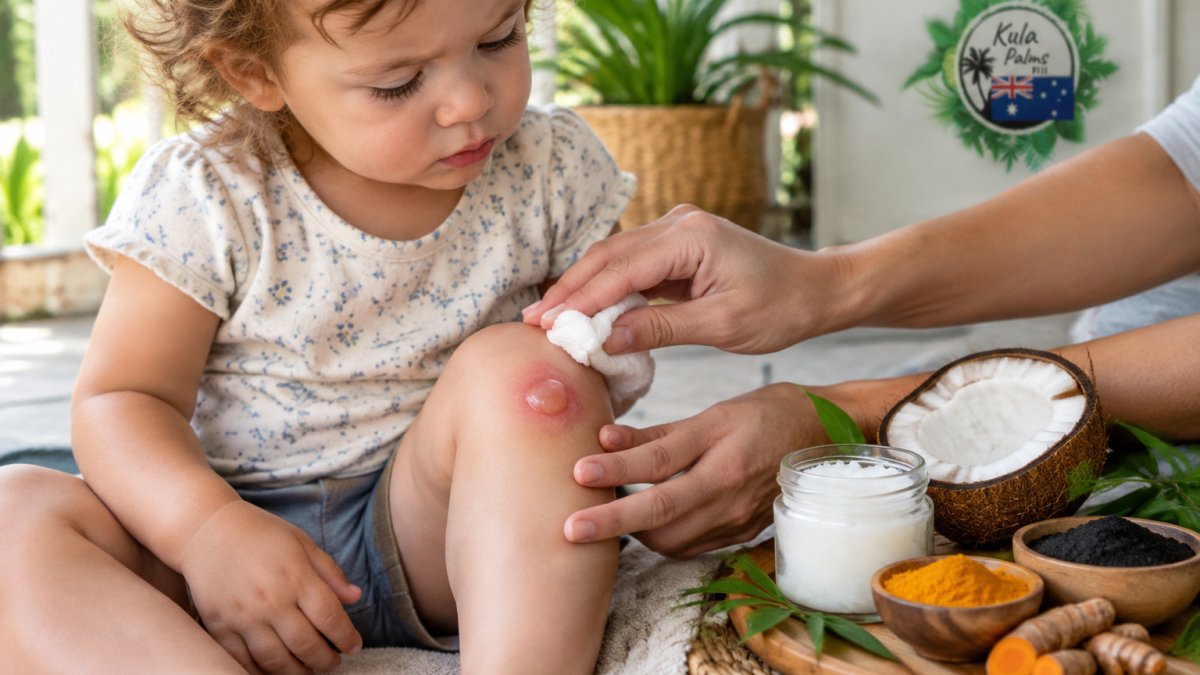
Most toddler skin blisters come from friction, and the right natural remedies for toddler skin blisters are simple: keep the skin clean, protect it, and let it heal. Parents often ask what is safe to put on a small blister.
A friction blister is a fluid-filled bubble caused by rubbing and pressure, usually on the heel, toes, sole, or hands (Blisters, treatment).
First, work out the cause. Friction blisters sit where something rubs; spreading redness, warmth, or pus may mean infection, so check with a doctor before trying any home remedy on a rash, burn, or suspected infection.
For a friction blister: clean with warm water and mild soap, leave an intact blister alone, cover with a loose non-stick dressing, and reduce the rubbing that caused it. If you want to try a natural charcoal soap remedy, our Coconut & Charcoal Soap Pack is a product pack you can buy.
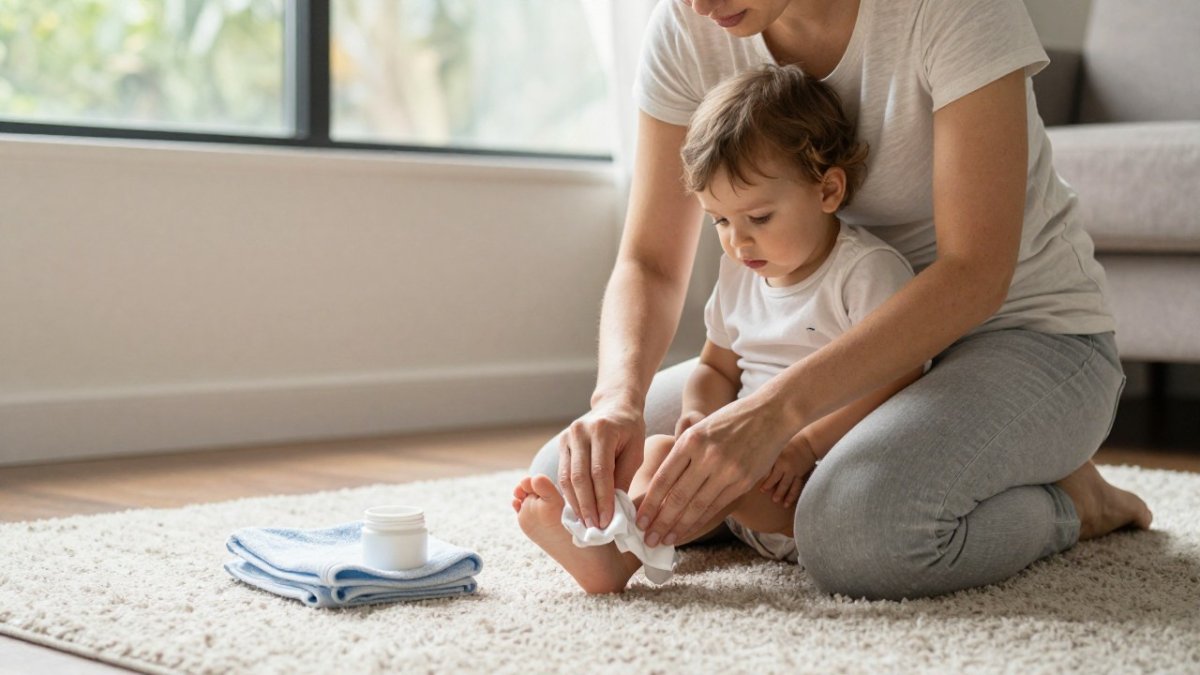
A common mistake is popping a blister to "let it drain", that opens a door for infection (Blisters). If a blister must be drained, let a doctor do it.
Before trying a new remedy, know what activated charcoal can and cannot do. For a full routine, see our step-by-step plan to soothe itchy skin, and read whether turmeric skincare is safe for toddlers.
Here is the simple friction-blister routine the article recommends.
| Step | What to do |
|---|---|
| Clean | Wash with warm water and mild soap |
| Leave intact | Do not pop an intact blister |
| Cover | Use a loose non-stick dressing |
| Reduce rubbing | Remove the cause of the friction |
Signs of an Infected Blister in a Child and When to Seek Medical Advice
An infected blister needs a doctor, not a home remedy. Watch for spreading redness or warmth, pus or cloudy fluid, increasing pain or swelling, and fever or a drowsy, unsettled child. Seek same-day advice for any of these, or if the blister is large, very painful, or in a baby under one year.
A blister from a burn, insect bite, or scrape in dirt can get infected fast. Do not apply oils or balms to broken, weeping skin; keep it clean and covered, and get it checked.
How Long Do Blisters Take to Heal and How to Prevent Blisters on Toddlers
Most friction blisters heal on their own within a few weeks. Keep the area clean, covered, and free of rubbing, and avoid picking at the skin as it dries.
To prevent blisters on toddlers, remove the cause: check shoe fit every few months, choose breathable socks, air feet and hands after sweaty play, and add a padded dressing to hot spots. If blisters keep appearing in the same spot, the shoes are usually the culprit, change them first.
Toddler skin is delicate, and the right product matters as much as the routine. At Kula Palms, our soaps are made with pure virgin coconut oil and herbal infusions, giving you a gentle, natural option for everyday cleansing. If you are ready to build a simple, plant-based care routine, get started with Kula Palms and give your child's skin a calmer, cleaner start.
Frequently Asked Questions
Can I put coconut oil on a toddler's blister?
If you are considering using any oil on a toddler's skin, check with your pharmacist or doctor first, and watch for redness, itching or swelling. Do not use oils on an open or burst blister.
Should I pop a blister on a child?
No. Popping a blister increases the risk of infection and slows healing. Keep intact blisters covered with a loose, non-stick dressing and let the fluid reabsorb naturally. If a blister is very large, painful or in a weight-bearing area like the sole, let a doctor decide whether drainage is needed under sterile conditions.
How do I know if a toddler's blister is infected?
Watch for spreading redness, swelling, warmth, pus, a bad smell, or increasing pain. A fever or a child who seems unwell are also red flags. These signs of an infected blister in a child mean you should see a doctor promptly, especially if your toddler has eczema or a weakened immune system. Do not rely on home remedies once infection is suspected.