 How-to
How to Soothe Itchy Skin Fast: A Step-by-Step Relief Plan
Last Updated: November 13, 2026
Quick Summary
To soothe itchy skin fast, cool the area with a cold towel or wrapped ice pack, remove tight clothing and pat the skin dry without rubbing. Apply a plain, fragrance-free moisturiser while the skin is still cool, and take a short lukewarm shower if the itch is widespread. Keep your hands off the area and note what triggered the itch so you can avoid it next time.
- Hold a wrapped ice pack or cold cloth on the area for 10 to 15 minutes, then repeat if the itch returns.
- Never put ice straight on skin, as leaving it too long can cause a cold burn.
- Keep baths and showers lukewarm and brief, since hot water makes itching worse.
- Trim nails, wear soft cotton gloves at night and use a cool compress instead of your fingers.
- See a doctor if the itch lasts more than two weeks, spreads, or comes with a rash that will not settle.
Table of Contents
- A Timed Plan to Soothe Itchy Skin Fast
- Using a Cold Compress for Itchy Skin
- Home Remedies for Itchy Skin That Are Safe to Try
- How to Stop Scratching Itchy Skin
- Frequently Asked Questions
A Timed Plan to Soothe Itchy Skin Fast
You can soothe itchy skin fast by cooling it, covering it and keeping your hands off it. This guide walks you through a simple relief plan.
Itch, or pruritus, is the urge to scratch your skin, and it often gets worse the more you scratch. Break the cycle early.
The first 5 minutes
- Press something cool on the spot. A cold towel or wrapped ice pack works well.
- Take off tight clothing over the area.
- Pat the skin dry if it is damp. Do not rub.
- Distract yourself for a few minutes. The urge usually eases.
The first 15 minutes
- Apply a plain, fragrance-free moisturiser while the skin is still cool.
- Sit somewhere calm and keep the area uncovered.
- Sip water. Heat and stress both make itching feel worse.
The first 60 minutes
- Have a short, lukewarm shower if the itch is widespread.
- Pat dry, then moisturise again within a few minutes.
- Put on soft, loose cotton clothing.
- Note what triggered the itch so you can avoid it next time.
Tracking triggers is how you stop the itch coming back.
| Time | What to do | Why it helps |
|---|---|---|
| 5 minutes | Cool compress, loose clothing | Calms the skin and dulls the urge |
| 15 minutes | Fragrance-free moisturiser | Rebuilds the skin barrier |
| 60 minutes | Short lukewarm shower, re-moisturise | Washes off irritants, locks in water |
Using a Cold Compress for Itchy Skin
A cold compress for itchy skin is a simple, gentle way to calm a flare.
Use it correctly and you can ease the urge to scratch. Use it wrong and you can damage the skin.
Here is how we would do it:
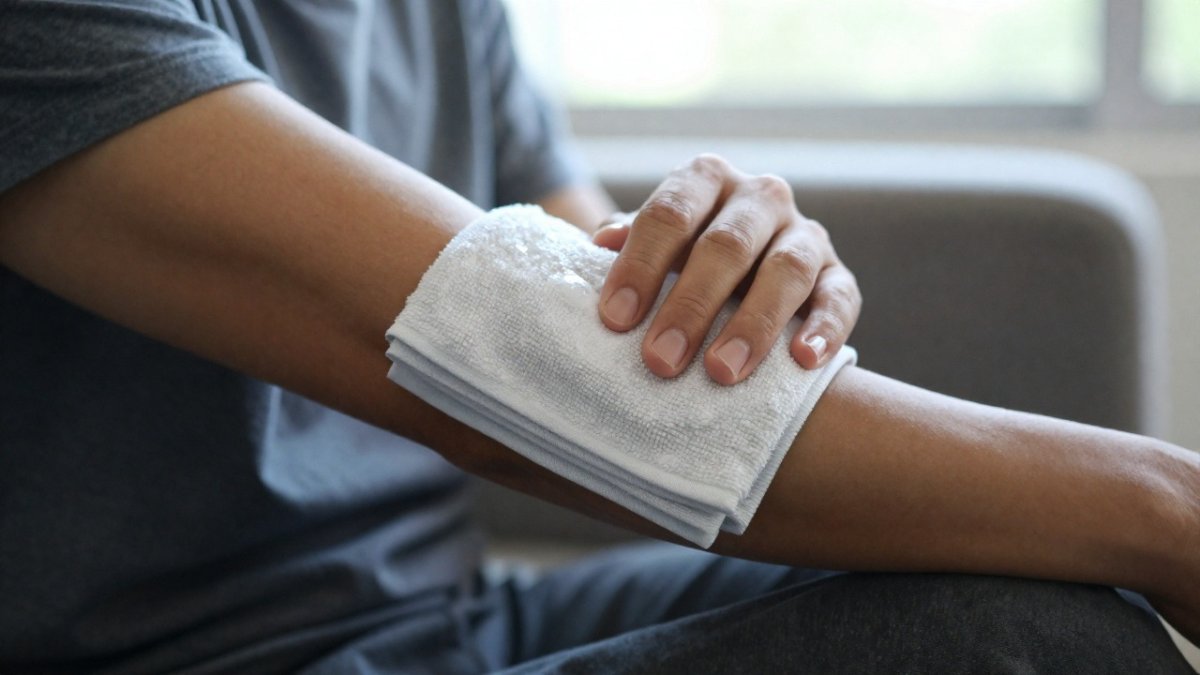
- Wrap an ice pack in a clean cloth. Never put ice straight on skin.
- Or soak a face washer in cold water and wring it out.
- Hold it on the area for 10 to 15 minutes.
- Take a break, then repeat if the itch returns.
- Dry the skin gently and moisturise afterwards.
A cool bath helps when the itch is widespread. Keep the water lukewarm, not cold, and stay in briefly. Hot water feels good for a moment, then makes itching worse.
Watch out: leaving an ice pack on bare skin for too long can cause a cold burn. Always use a cloth barrier.
Home Remedies for Itchy Skin That Are Safe to Try
Home remedies for itchy skin are usually most suitable when they are plain and gentle.
These are the ones worth trying:
If you want a ready-made herbal option, our DITCH THE ITCH balm is built around traditional skin-healing herbs and pure coconut oil. For a fuller routine, the No More Itch pack pairs charcoal soaps with herbal oil. You can also try our Rewa Oil or pure Dilo Oil as a soothing daily moisturiser.
Always patch-test a new remedy on a small area first. Stop if it stings, burns or makes the redness worse.
How to Stop Scratching Itchy Skin
How to stop scratching itchy skin comes down to three things: keep nails short, cover the area, and give your hands something else to do. Scratching feels good for seconds and makes the itch worse for hours.
Try these habits:
- Trim nails and keep them smooth.
- Wear soft cotton gloves at night.
- Use a cool compress instead of your fingers.
- Keep moisturiser within reach and apply it when the urge hits.
- Swap harsh soap for a mild, soap-free cleanser.
If you keep scratching in your sleep, our Activated Charcoal Soap is a gentle swap for perfumed bars that can help draw out irritants and support healing.
Red flags: see a doctor if the itch lasts more than two weeks, spreads across the body, or comes with a rash that will not settle. Get urgent care for swelling of the face or throat, or trouble breathing.
Itching is stubborn, but a cool compress, a plain moisturiser and hands-off habits handle most flares. At Kula Palms, we make small-batch, herbal-infused skincare on a pure virgin coconut oil base. Our range includes raw turmeric and activated charcoal formulas made to calm irritated skin and support daily care. Get started with Kula Palms and build a simple routine your skin can rely on.
Frequently Asked Questions
What is the fastest way to soothe itchy skin?
Cooling the skin is the quickest first step. Apply a cold compress for itchy skin, such as a chilled damp towel or an ice pack wrapped in cloth, for 10 to 15 minutes. Follow with a fragrance-free moisturiser while the skin is still slightly damp to support the skin barrier. Take a lukewarm shower rather than a hot one, pat the skin dry instead of rubbing, and avoid scratching, which worsens irritation and redness.
What home remedies for itchy skin are safe to try?
Colloidal oatmeal baths, cool compresses and plain, unperfumed moisturisers are low-risk options for short-term relief. If you have eczema or psoriasis, patch-test any new remedy on a small area first, and stop if redness or inflammation increases.
When should I see a doctor for itchy skin?
Book a medical appointment if itching lasts more than two weeks, disrupts sleep, or spreads across the body without an obvious cause. Seek urgent care if you notice swelling of the face or throat, difficulty breathing, blistering, weeping sores, or signs of infection such as warmth and pus. Widespread itching with no rash can also point to an underlying condition, so it is worth having it checked rather than self-treating indefinitely.