 How-to
7 Ways to Fade Acne Scars Naturally
Last Updated: November 12, 2026
Quick Summary
To fade acne scars naturally, first identify whether you have flat acne marks or true textured acne scars, since marks respond to gentle brightening and sun protection while deep scars usually need professional treatment. Turmeric masks can be used two to three times a week for 10 to 15 minutes, always mixed with a carrier oil and patch tested first.
- Acne marks are flat colour patches; acne scars are pitted, indented, or raised texture changes you can feel.
- Patch test turmeric behind the ear and wait 24 hours before using it on your face.
- Mix turmeric with virgin coconut oil or plain yoghurt, never water alone, and keep the layer thin.
- Leave turmeric on for 10 to 15 minutes and rinse with lukewarm water and a gentle cleanser.
- Use turmeric two to three times a week, as daily use raises irritation risk without speeding results.
Table of Contents
- Acne Scars vs Acne Marks: Know What You're Fading
- Turmeric for Acne Scars: How to Use It Without Staining
- How Long Do Acne Marks Take to Fade?
- Frequently Asked Questions
Acne Scars vs Acne Marks: Know What You're Fading
Learning how to fade acne scars naturally starts with knowing what you're looking at: "scar" and "mark" aren't the same, and the difference decides whether a home remedy can help.
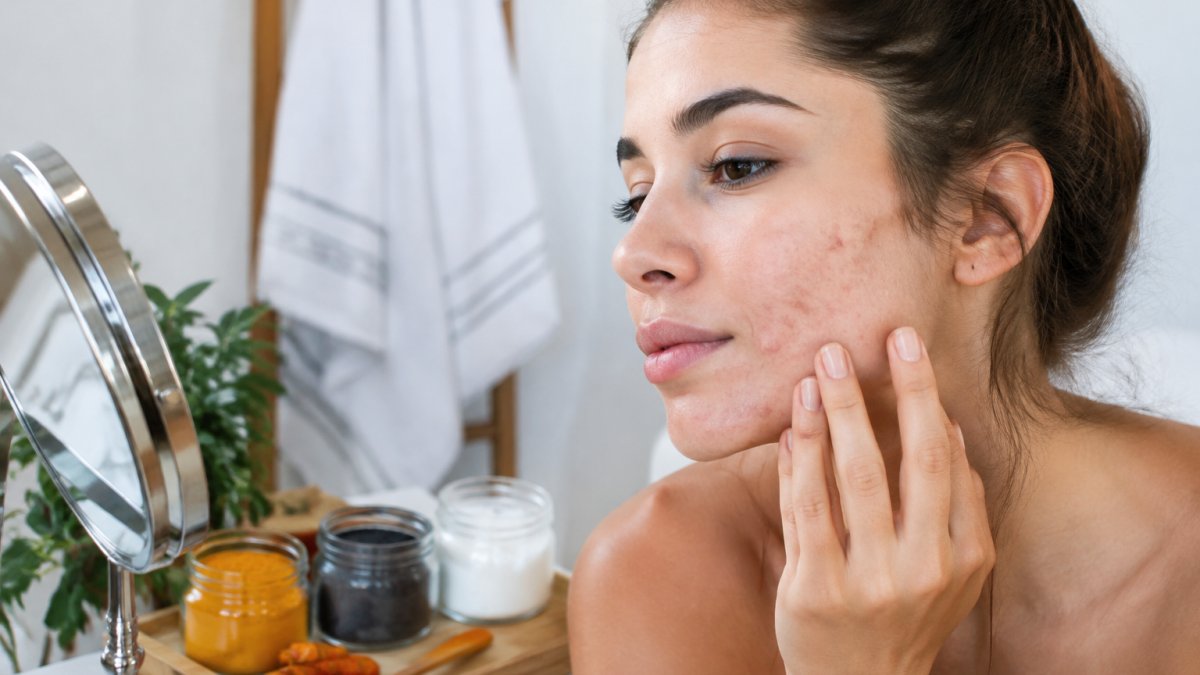
- Acne marks are flat patches of colour left after a pimple heals.
- Acne scars are texture changes, pitted, indented, or raised, and you can feel them.
That flat discolouration is post-inflammatory hyperpigmentation: inflammation triggers extra pigment. Many people panic about a dark spot that's actually a mark, not a scar, and it often settles on its own.
True scars are different. Pitted scars form when skin loses collagen during deep inflammation; raised scars happen when it overproduces collagen. No balm, oil, or turmeric paste rebuilds that structure.
- Marks respond well to gentle brightening and sun protection.
- Scars may soften slightly with consistent care, but deep texture changes usually need professional treatment.
If you've identified pitted or raised scarring and want a targeted balm, you can explore our scar fade balm as part of your routine.
Turmeric for Acne Scars: How to Use It Without Staining
Turmeric is a popular natural ingredient in skincare.
The catch is the yellow stain. Here's how to use it without turning your face, or your pillowcase, orange.
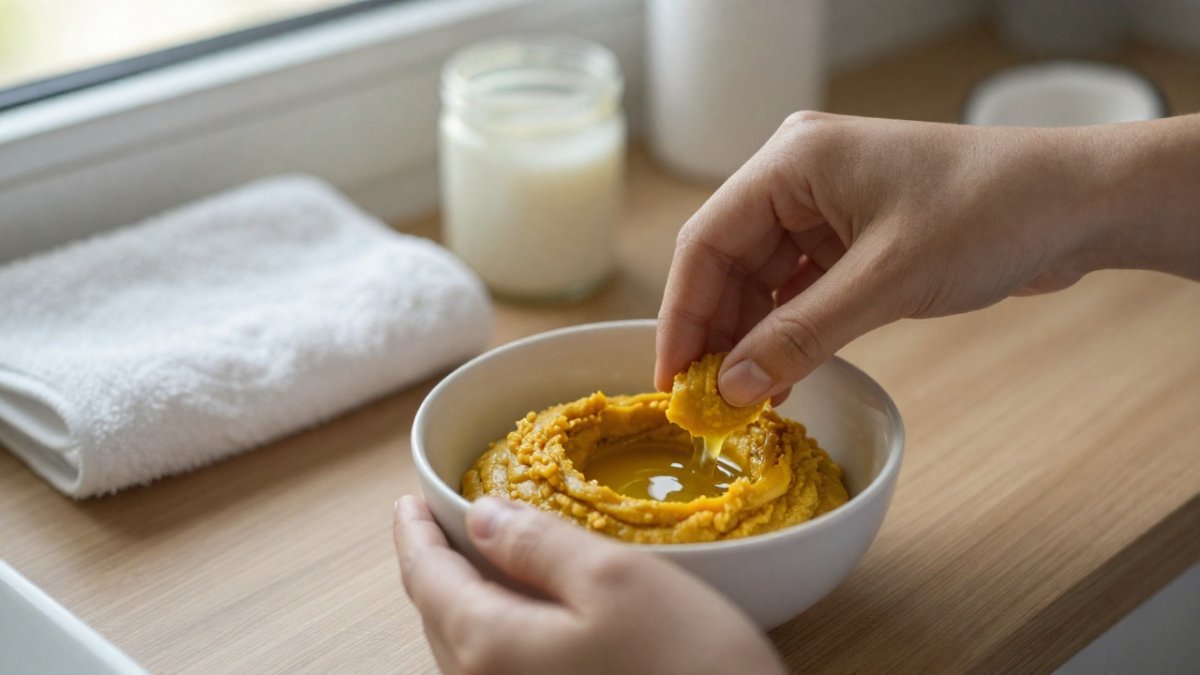
- Patch test first. Apply a small amount behind your ear and wait 24 hours.
- Mix with a carrier oil, never water alone. A spoon of virgin coconut oil or plain yoghurt makes a smooth paste that rinses clean.
- Keep it thin. A light layer is enough; thick paste sits in pores and stains more.
- Leave it on for 10 to 15 minutes. No longer.
- Rinse with lukewarm water and a gentle cleanser. Pat dry with a towel you don't mind sacrificing.
- Use it two to three times a week. Daily use raises irritation risk without speeding results.
Watch out: turmeric temporarily stains the skin's surface, especially on dry or pale skin, and it will mark light fabric. Use an old towel and pillowcase on treatment nights.
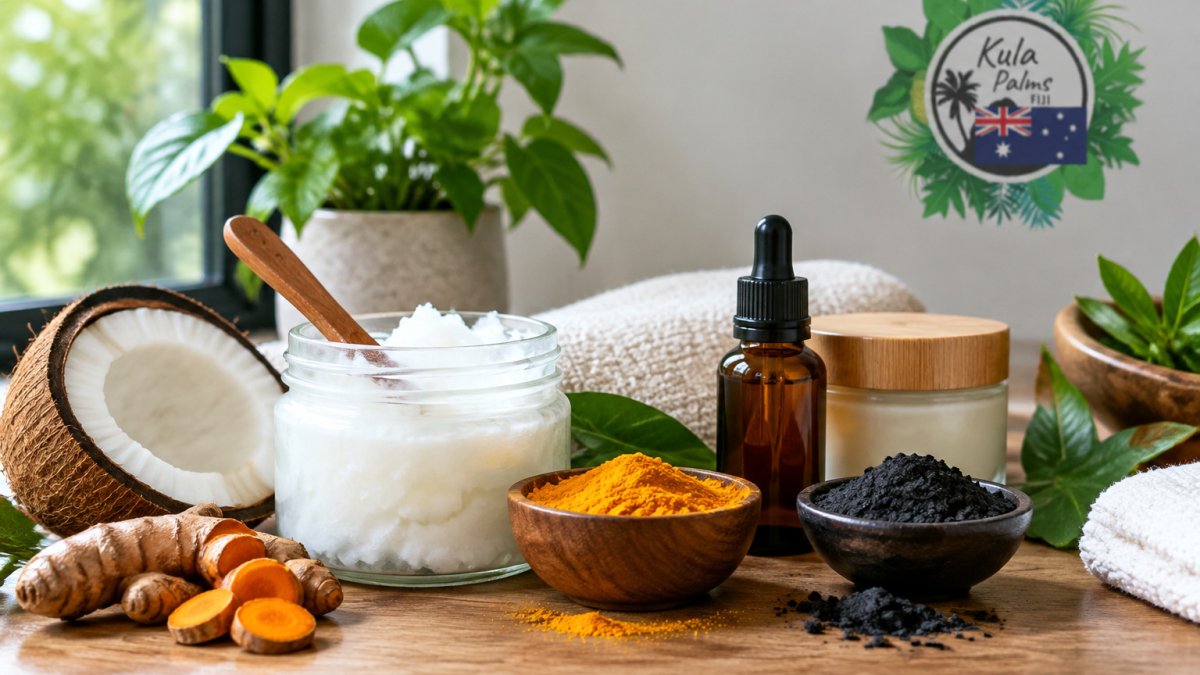
If you'd rather skip the mixing bowl, our pure coconut and turmeric soap is made with raw turmeric and virgin coconut oil, and our charcoal and turmeric acne bar is available in our store.
Here's the turmeric routine at a glance, from patch test to weekly frequency.
| Step | What to do | Time or frequency |
|---|---|---|
| 1 | Patch test behind the ear | Wait 24 hours |
| 2 | Mix with virgin coconut oil or plain yoghurt | Never water alone |
| 3 | Keep the layer thin | Thick paste stains more |
| 4 | Leave it on | 10 to 15 minutes |
| 5 | Rinse with lukewarm water and gentle cleanser | Pat dry with old towel |
| 6 | Use it | Two to three times a week |
How Long Do Acne Marks Take to Fade?
Flat acne marks often fade gradually over several months, and progress varies from person to person.
- Daily sunscreen. UV exposure darkens marks and makes them last longer, the single most important step.
- Gentle exfoliation. Mild acids support skin-cell turnover without stripping the barrier.
A realistic progress check is a photo in the same light and angle once a month. If you see no change over time, consider speaking with a dermatologist.
While you wait, you can browse our brightening balm, or try pure Dilo oil.
Fading marks naturally takes consistency, sun protection, and realistic expectations. If you want plant-based support for that routine, Kula Palms offers 100% natural, herbal-infused skincare built on pure virgin coconut oil, with raw turmeric and activated charcoal formulations made for acne-prone skin. Get started with Kula Palms and give your skin the gentle, steady care it responds to.
Frequently Asked Questions
Can acne scars fade naturally?
Flat dark marks left after a breakout usually fade over time, especially with daily sun protection and gentle exfoliation. True indented or raised acne scars are structural and rarely disappear with home care alone. A dermatologist can confirm which type you have and whether professional treatment is worth it.
What natural ingredients may help fade acne marks?
Patch test any new ingredient on your inner arm first. Patch test any new ingredient on your inner arm first, then introduce one at a time so you can tell what your skin tolerates.
How long do acne marks take to fade?
Post-inflammatory marks often fade gradually over time. Progress depends on your skin tone, how much sun exposure you get and how consistently you follow a routine. Take a photo in the same light each month so you can measure real change rather than judging by memory.