 blog
Best Gentle Face Oils for Sensitive Skin That Soothe
Last Updated: November 14, 2026
Quick Summary
The best gentle face oils for sensitive skin are short, fragrance-free formulas built on low-irritation carrier oils such as jojoba, squalane or plum oil. Apply them after moisturiser as the final step to seal in hydration, and patch test on your inner forearm for 48 hours before using on your face.
- Labels like gentle and calming are marketing terms, not regulated claims.
- Fragrance and parfum are the most common cosmetic contact allergens.
- High-linoleic oils like jojoba, rosehip and grapeseed absorb faster for reactive skin.
- Patch testing takes 48 hours and is usually done on the inner forearm.
- Warm two or three drops between your palms and press onto damp skin at night.
Table of Contents
- Best Gentle Face Oils for Sensitive Skin: What to Look For
- Choosing a Face Oil for Dry Sensitive Skin
- How to Patch Test Skincare Before You Commit
- How to Use Face Oil: Before or After Moisturiser?
- Frequently Asked Questions
Best Gentle Face Oils for Sensitive Skin: What to Look For
Finding the best gentle face oils for sensitive skin starts with the ingredient list, not the label. Reactive skin tolerates short formulations built on low-irritation carrier oils, with no added fragrance.
The core issue is barrier support. A face oil for dry sensitive skin should soften and seal without triggering redness, so look for jojoba, squalane or plum oil near the top of the list. Skip essential oils and alcohol, and patch test (below).
Judge the formula, not the front of the bottle
Labels such as 'gentle' and 'calming' are marketing terms, not regulated claims. Work through the ingredient list in order and ask four questions.
1. How short is the list? Fewer ingredients means fewer reaction opportunities and easier culprit identification.
2. Is there added fragrance? Fragrance and parfum are the most common cosmetic contact allergens, and 'natural' essential-oil fragrance is no safer for reactive skin. Look for fragrance, parfum, aroma, essential oil, limonene, linalool, citronellol, geraniol and eugenol. A genuinely fragrance-free oil lists none.
3. Which carrier oil leads? The first few ingredients do most of the work. High-linoleic oils such as jojoba, rosehip, grapeseed and safflower feel lighter and absorb faster, suiting reactive and combination skin.
4. Are there known irritant flags? Alcohol denat, witch hazel, menthol, camphor and cooling agents can sting compromised skin.
Lightweight versus rich: match the texture to the day
Texture matters as much as ingredients, because a heavy oil that sits on the surface can trap heat. A common pattern is a lighter, high-linoleic oil in humid weather or under makeup, and a richer oil at night. If a formula feels greasy within ten minutes, it is probably too rich for your skin type.
Hydration versus sealing: what oil can and cannot do
Oils are emollients and occlusives: they soften the skin and slow water loss, but they do not add water. Hydration comes from water-based products such as toners, serums and moisturisers.
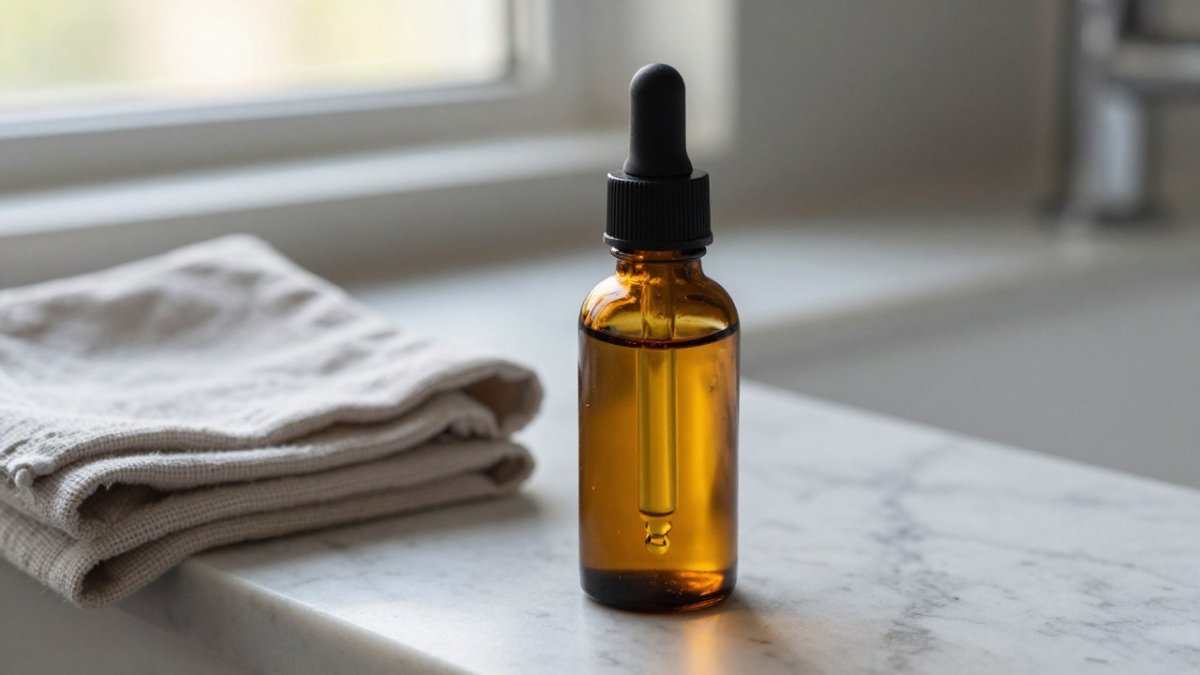
Here is a quick scan of what to check on the ingredient list before buying a gentle face oil for sensitive skin.
| What to check | Choose | Avoid |
|---|---|---|
| Ingredient list length | Short formulations, fewer ingredients | Long lists with more reaction opportunities |
| Added fragrance | Genuinely fragrance-free oils | Fragrance, parfum, aroma, essential oil, limonene, linalool |
| Leading carrier oil | Jojoba, squalane or plum oil near the top | Heavy high-oleic oils for reactive skin |
| Irritant flags | Simple low-irritation carriers | Alcohol denat, witch hazel, menthol, camphor, cooling agents |
| Texture | Lighter high-linoleic oil in humid weather or under makeup | Greasy feel within ten minutes |
Choosing a Face Oil for Dry Sensitive Skin
Dry, reactive skin benefits most from oils high in linoleic acid, which absorb quickly and support the skin barrier. Jojoba, rosehip and grapeseed fit that brief.
Single-ingredient oils are easier to assess than blends. For a botanical option, our Dilo oil is a pure choice, while Rewa Oil is a herbal-infused oil. You can also compare the dilo-infused coconut oil against other gentle oils.
How to Patch Test Skincare Before You Commit
Patch testing takes 48 hours and is usually done on your inner forearm rather than your face. Apply a small amount, leave it uncovered, and watch for redness, itching or swelling. Stop at the first sign of a reaction and rinse with cool water.
Test one new product at a time so you know what caused a reaction. If irritation develops, our guide on how to soothe itchy skin fast walks through the relief steps.
A step-by-step patch test for reactive skin
- Choose a small, visible site. The inner forearm is standard, but if you have reacted there before, use the side of the neck or behind the ear. Avoid broken, sunburnt or eczema-affected skin.
- Apply a pea-sized amount and leave it uncovered. Do not rub vigorously or cover with a plaster, which can trap heat and cause a false reaction.
- Check at 24 and 48 hours. Photograph the site in consistent light so you can compare rather than rely on memory.
- Introduce one product at a time, with at least a week between additions.
- Then test on the face with a small amount on the jawline for two to three nights before using it across the whole face.
Irritation versus allergy: what you are watching for
Irritation tends to appear quickly as stinging, redness or dryness at the application site and usually settles once the product is removed. A true allergic reaction is often delayed by a day or two and can spread beyond the site, with itching, swelling or a raised rash. If you suspect an allergy, stop using the product and note the ingredients. Persistent or spreading reactions, or swelling around the eyes or mouth, warrant advice from a pharmacist or doctor.
If a reaction occurs
Rinse with cool water and stop all new products, returning to a routine you know your skin tolerates. Keep the area moisturised with a plain, fragrance-free product and avoid exfoliants, hot water and essential oils until it settles. If the reaction does not improve within a few days, seek professional advice.
Testing when you have eczema, rosacea or fragrance sensitivity
If you have eczema-prone skin, it is sensible to test during a calm period rather than a flare, and to keep the test site away from active patches. If you have rosacea, a gentle application and avoiding fragrance or cooling agents are a reasonable precaution. If you are fragrance-sensitive, treat any botanical oil containing essential oils as a potential trigger and start with a single-ingredient carrier oil.
How to Use Face Oil: Before or After Moisturiser?
Apply face oil after moisturiser, as the final step, to help seal hydration in. Moisturiser adds water; oil helps lock it down.
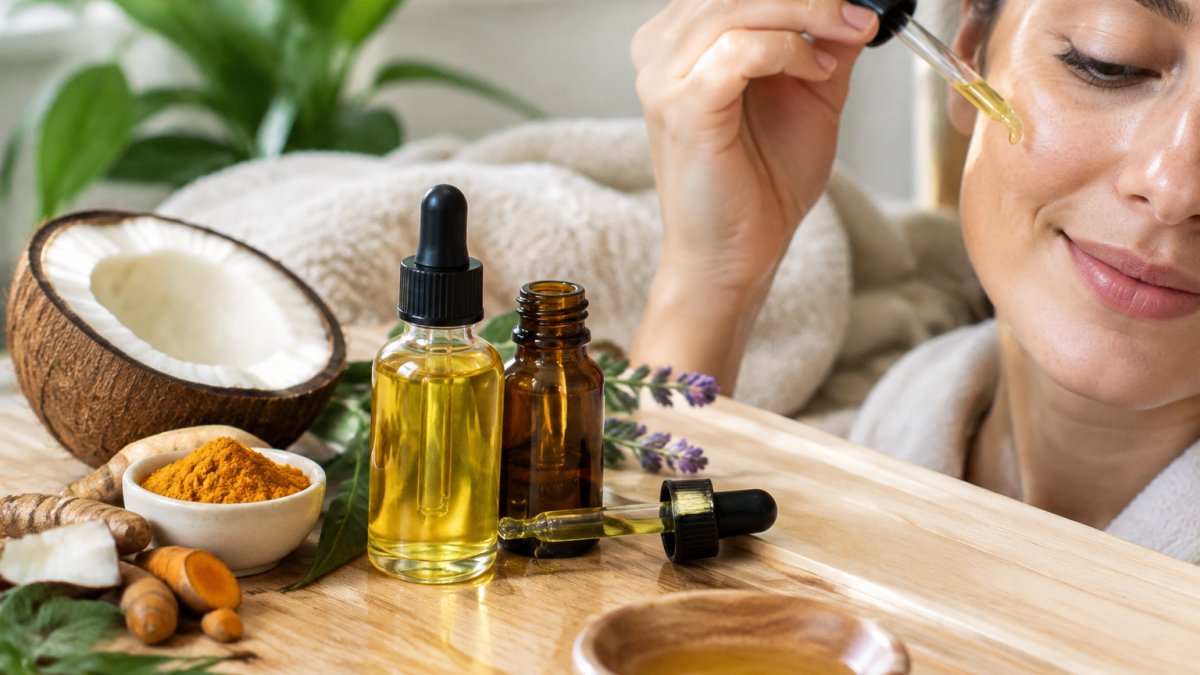
Warm two or three drops between your palms and press gently onto damp skin. Use it at night to begin with. To browse the range, see our full collection of oils.
Sensitive skin rarely needs more products. It needs fewer, gentler ones, applied in the right order. Kula Palms makes 100% natural, herbal-infused skincare on a pure virgin coconut oil base, with raw turmeric and activated charcoal formulations designed to soothe itching and support acne-prone skin. Get started with Kula Palms and build a routine your skin can tolerate.
Frequently Asked Questions
What is the gentlest face oil for sensitive skin?
Oils high in linoleic acid tend to suit reactive skin best, such as rosehip, grapeseed, hemp seed and squalane. These are generally described as lightweight and quick-absorbing. Avoid blends with added fragrance or essential oils, which are common irritation triggers. Always check the full ingredient list and patch test on your inner forearm for 48 hours before applying to your face.
How should I patch test a face oil?
Apply two or three drops to the inner forearm or behind the ear, then leave it for 24 to 48 hours without washing the area. Watch for redness, itching, stinging or swelling. If nothing appears, test a small amount on your jawline for another day before using it across your whole face. Stop immediately and rinse with cool water if you notice a reaction, and speak to a pharmacist or doctor if it persists.
Should I apply face oil before or after moisturiser?
Apply face oil after moisturiser. Moisturiser adds water-based hydration, while oil sits on top and slows moisture loss through the skin barrier. If your skin feels dry, use a light moisturiser first, then press two or three drops of oil over it. In humid weather you may prefer oil alone at night.