 blog
How to Choose Natural Skincare for Itchy Skin
Last Updated: November 17, 2026
Quick Summary
The best natural skincare for itchy skin rebuilds a compromised skin barrier with gentle, plant-based ingredients instead of masking the itch. Choose fragrance-free emollients rich in ingredients like colloidal oatmeal and coconut oil, and patch test every new product on the inner forearm for 24 to 48 hours.
- Itchy skin is triggered when dryness, inflammation or an allergic response irritates nerve endings.
- Essential oils such as lavender, peppermint, tea tree and citrus are a common cause of contact allergy.
- An emollient should appear in the first few ingredients of a moisturiser for itchy skin.
- Apply emollient within three minutes of bathing to trap water on damp skin.
- Use damp cotton wet wraps over moisturiser for severe itch flare-ups.
Table of Contents
- What Causes Itchy Skin and Why Natural Skincare Can Help
- Natural Remedies for Itchy Skin: What the Evidence Says
- The Best Moisturiser for Itchy Skin: A Shortlist and Comparison
- Ingredients to Avoid for Sensitive Skin
- How to Soothe Itchy Skin Fast: A Simple Routine
- Choosing Your Natural Skincare Routine with Kula Palms
- Frequently Asked Questions
What Causes Itchy Skin and Why Natural Skincare Can Help
Itchy skin usually comes from a compromised skin barrier, and the best natural skincare for itchy skin rebuilds that barrier rather than masking the sensation. Dryness, irritation and inflammation often feed each other until scratching becomes a habit.
Itchy skin is triggered when nerve endings are irritated by dryness, inflammation or an allergic response. A damaged barrier loses moisture and lets irritants in, which is why hydration and gentle, plant-based ingredients matter more than numbing agents.
Common triggers include:
- Dry indoor heating and long hot showers
- Fragranced body wash and harsh soaps
- Contact dermatitis from fabrics or detergents
- Eczema and psoriasis flare-ups
- Insect bites and heat rash
Natural remedies for itchy skin appeal to people who want to calm irritation without stripping the skin further. The catch is knowing which plant-based ingredients help and which irritate.
Natural Remedies for Itchy Skin: What the Evidence Says
Not all natural ingredients are equal. Sort them by how much evidence supports them and how likely they are to irritate.
Ingredients With the Most Support
The caveat: coconut oil can clog pores for some people, so it may suit dry body skin better than congested facial skin.
Ingredients With Traditional Use but Limited Evidence
Chamomile and calendula are traditional calming botanicals for sensitive skin, but the evidence is mostly traditional and small-scale, so treat them as comfort ingredients rather than treatments. Jojoba oil and vitamin E support moisture retention without heavy residue; they support the barrier rather than relieve itch on their own.
Ingredients That Can Make Itch Worse
This is the part most natural-skincare roundups skip. Essential oils such as lavender, peppermint, tea tree and citrus can soothe or sting, and they are a common cause of contact allergy. Citrus oils increase sun sensitivity. Fragrance, even plant-derived, frequently triggers irritated skin. If your skin is broken or inflamed, avoid essential oils until the barrier recovers.
Watch out: "natural" on a label does not guarantee gentle, and a botanical that calms one person can trigger contact dermatitis in another, patch test every new product on the inner forearm for 24 to 48 hours.
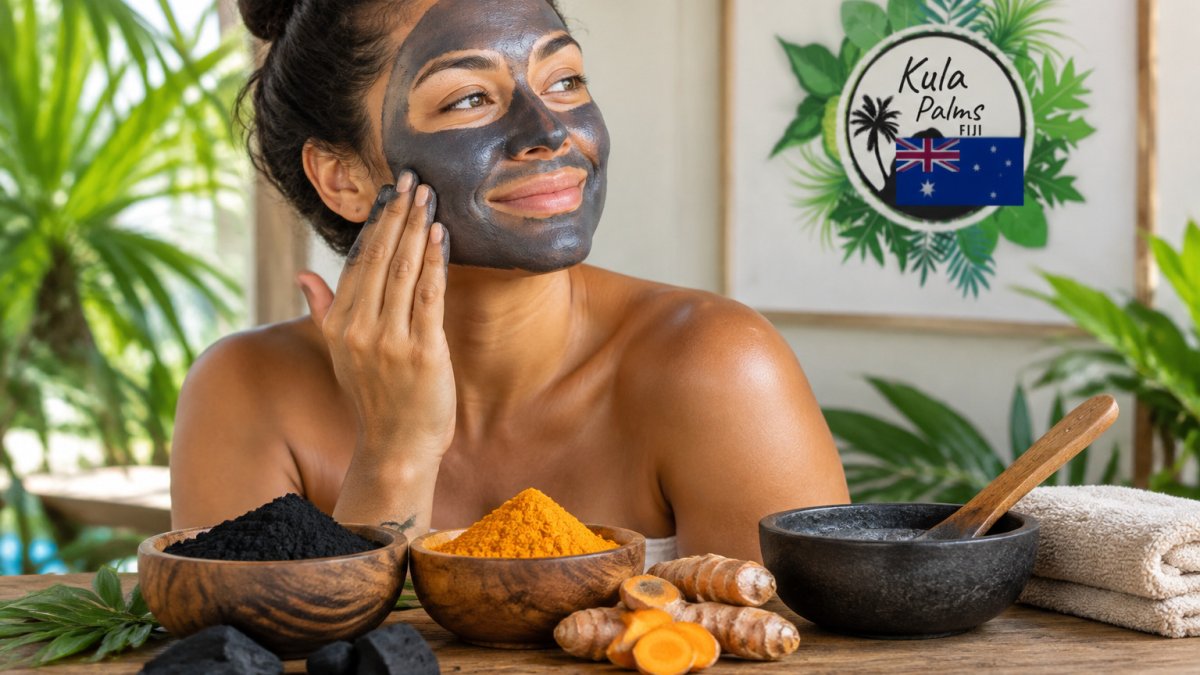
Activated Charcoal Is a Different Category
For more, read our guide on why use activated charcoal for skin.
How to Read the Evidence Yourself
A simple filter helps. Prefer ingredients with a named mechanism and a history of clinical use for itch, colloidal oatmeal is the clearest example. Treat traditional botanicals as comfort ingredients and essential oils and fragrance as potential irritants first. A product's base matters as much as its star ingredient: a soothing botanical suspended in drying alcohol or a fragranced lotion will not help an itchy barrier.
The Best Moisturiser for Itchy Skin: A Shortlist and Comparison
A moisturiser for itchy skin is often chosen for being fragrance-free, rich in emollients and free from drying alcohol. Below is how we would shortlist options based on ingredient quality, intended use and how well each suits reactive skin.
How We Selected These Products
A useful rule of thumb: an emollient should appear in the first few ingredients. If water, alcohol or fragrance sits ahead of the oil or butter, the product is likely too light or too irritating for persistent itch.
The Shortlist
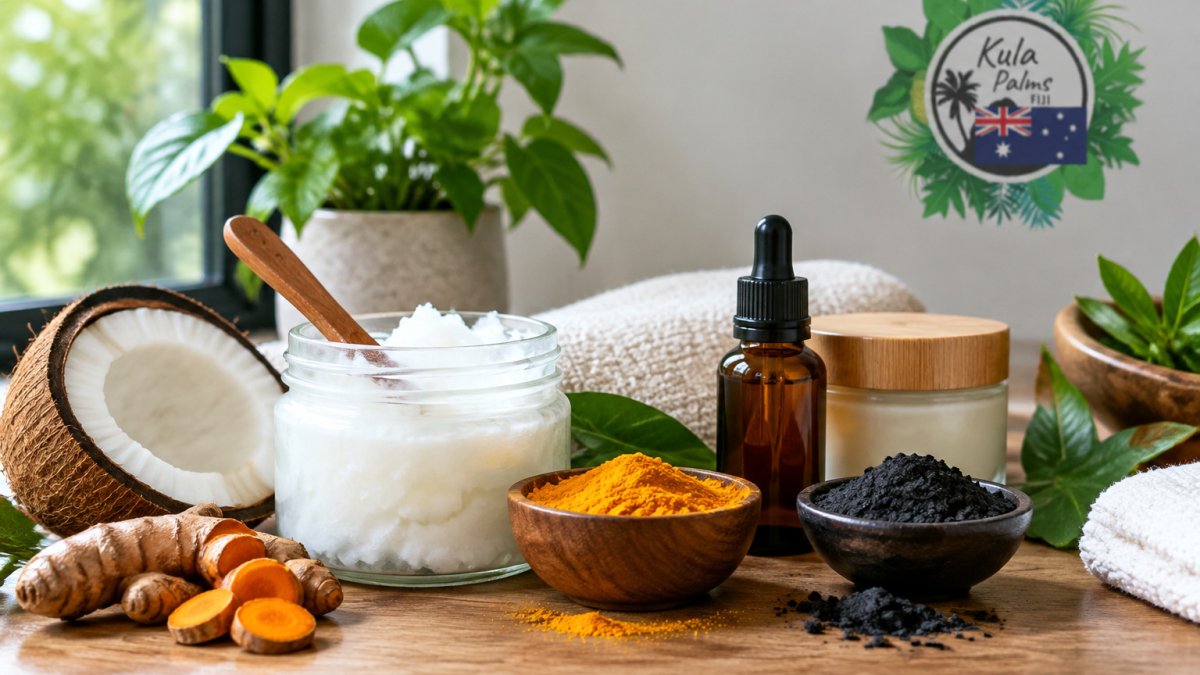
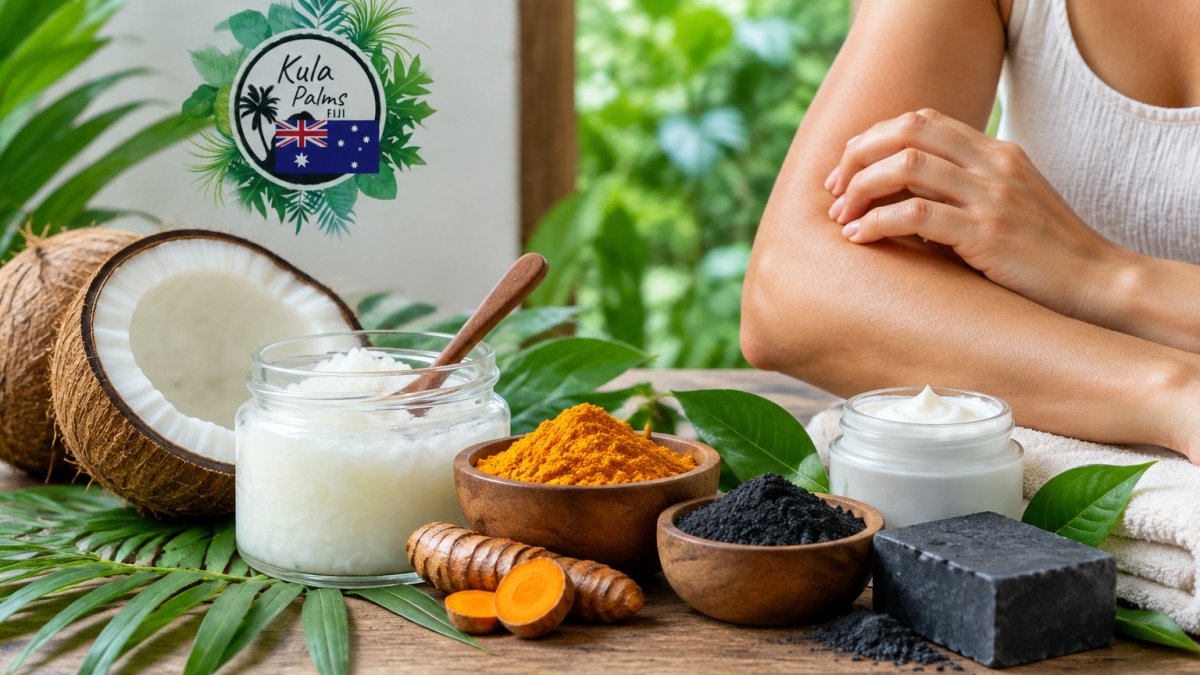
- Kula Palms Herbal Infused Range, A pure virgin coconut oil base infused with herbs, with raw turmeric and activated charcoal formulations. Fragrance: botanical, from the infused herbs. Skip if: you prefer a lightweight gel.
- Rewa Oil 200ml, Herbal infused coconut oil. Fragrance: herbal. Rewa Oil suits readers who want a single oil and are happy to patch test first.
- No More Itch Gift Pack, Shop the No More Itch pack if you want the complete set rather than buying components separately.
Product Comparison Table
| Product | Base | Texture | Fragrance | Best For | Watch Out For |
|---|---|---|---|---|---|
| Kula Palms Herbal Range | Virgin coconut oil | Rich balm-to-oil | Botanical, no added perfume | Itch, acne, scarring | Heavier feel on oily skin |
| Rewa Oil 200ml | Herbal coconut oil | Liquid oil | Herbal | Daily body hydration | Patch test first |
| No More Itch Pack | Charcoal soap + oil | Lather plus oil | Low | Persistent itch routine | Not a facial cleanser |
Matching the Product to the Cause of Itch
Product choice should follow the likely cause, not just the label. Dry, flaky skin with no rash is often helped by a richer emollient applied soon after bathing. Contact dermatitis generally needs the trigger removed first, as moisturisers cannot outrun ongoing exposure. If the itch is widespread, blistering or spreading, see a doctor.
Patch Testing Before You Commit
Patch testing is non-negotiable with any new product, especially on children. Apply a small amount to the inner forearm, leave it 24 to 48 hours, and check for redness, swelling or stinging before wider use. Botanical ingredients and essential oils can cause irritation or contact allergy, particularly on skin that is already itchy and broken. Stop using any product that causes a reaction, and reintroduce products one at a time.
Ingredients to Avoid for Sensitive Skin
Sensitive skin reacts to a short list of repeat offenders, and removing them often calms itch faster than adding anything new. The main culprits are synthetic fragrance, drying alcohols, sulphates and some preservatives.
Our rule is simple: fewer ingredients, clearly named. If a body wash lists fragrance halfway up the label, treat it as a likely trigger. Swap to a soap-free cleanser and a fragrance-free moisturising cream, then reintroduce products one at a time.
If you are building a gentler routine, our guide to the best gentle face oils for sensitive skin covers plant-based options that calm reactive skin.
How to Soothe Itchy Skin Fast: A Simple Routine
Fast itch relief comes from cooling the skin, locking in hydration and stopping the scratch cycle. This routine takes about ten minutes and suits most dry or irritated skin.
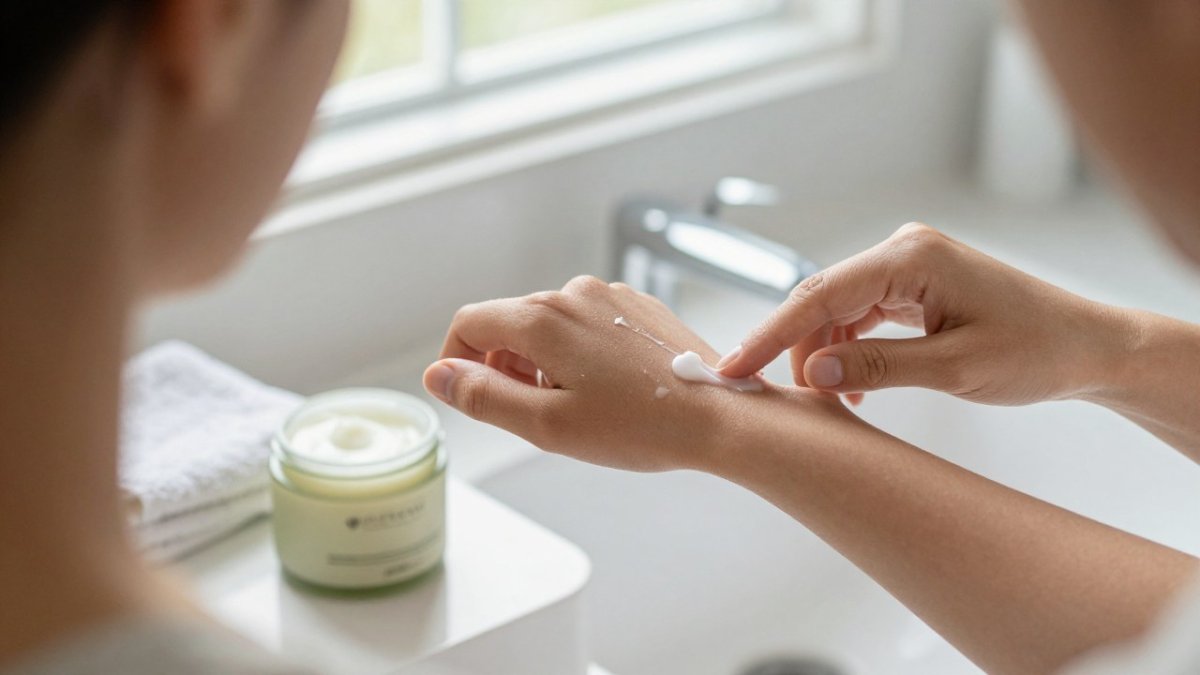
- Cool, do not scrub. Rinse with lukewarm water and a soap-free cleanser. Hot water strips the skin barrier and worsens itch.
- Pat dry, leave slightly damp. Moisturiser works best on damp skin because it traps water.
- Apply emollient within three minutes. Press a coconut oil-based cream or balm into the skin rather than rubbing.
- Reapply through the day. Dry patches need topping up, especially after handwashing.
- Use wet wraps for severe flare-ups. Damp cotton over moisturiser, covered with a dry layer, calms intense itch.
For a deeper step-by-step plan, our guide on how to soothe itchy skin fast walks through each stage.
Patch Testing and Allergy Precautions
Patch testing is a sensible step with any new product, especially on children. Apply a small amount to the inner forearm, leave it 24 to 48 hours, and check for redness, swelling or stinging before wider use.
Stop using any product that causes a reaction. If itch comes with spreading rash, blistering, fever or signs of infection, see a doctor rather than self-treating. Natural ingredients can still trigger allergic reactions, and a herbal formula is not automatically safe for a toddler's blisters.
Choosing Your Natural Skincare Routine with Kula Palms
A good natural skincare routine for itchy skin is built on three habits: a gentle cleanser, a consistent emollient, and patience with patch testing. Get those right and most everyday itch settles.
Kula Palms offers 100% natural, herbal-infused skincare built on a pure virgin coconut oil base.
If you have eczema or psoriasis, a herbal product will not replace your usual treatment, but it can sit alongside it as a soothing, moisturising layer.
Ready to calm persistent itch with plant-based care?
Frequently Asked Questions
Is coconut oil good for itchy skin?
Pure virgin coconut oil is the base of Kula Palms formulations. It suits some skin types better than others, so patch test first. If you have oily or acne-prone skin, use it sparingly and watch for clogged pores.
Which natural ingredients can help soothe itchy skin?
Kula Palms uses virgin coconut oil infused with raw turmeric. Always patch test a new ingredient, especially on children, and stop if irritation increases.
What should I avoid putting on itchy, sensitive skin?
Avoid fragrances, essential oils, alcohol-based toners, sulphates and harsh exfoliants, as these can strip the skin barrier and worsen irritation. Choose soap-free cleansers and fragrance-free moisturisers where possible. If you have contact dermatitis or eczema, check labels for known allergens. Kula Palms products are plant-based, but anyone with sensitive skin should still patch test before applying to larger areas.
When should I see a doctor about itchy skin?
See a doctor if itching persists for more than two weeks, disrupts sleep, or comes with a rash that spreads, oozes or bleeds. Seek urgent care if you have swelling, difficulty breathing or signs of infection such as warmth and pus. Natural skincare can support mild dryness and irritation, but persistent or severe itching needs a medical assessment to rule out conditions like eczema, psoriasis or allergy.